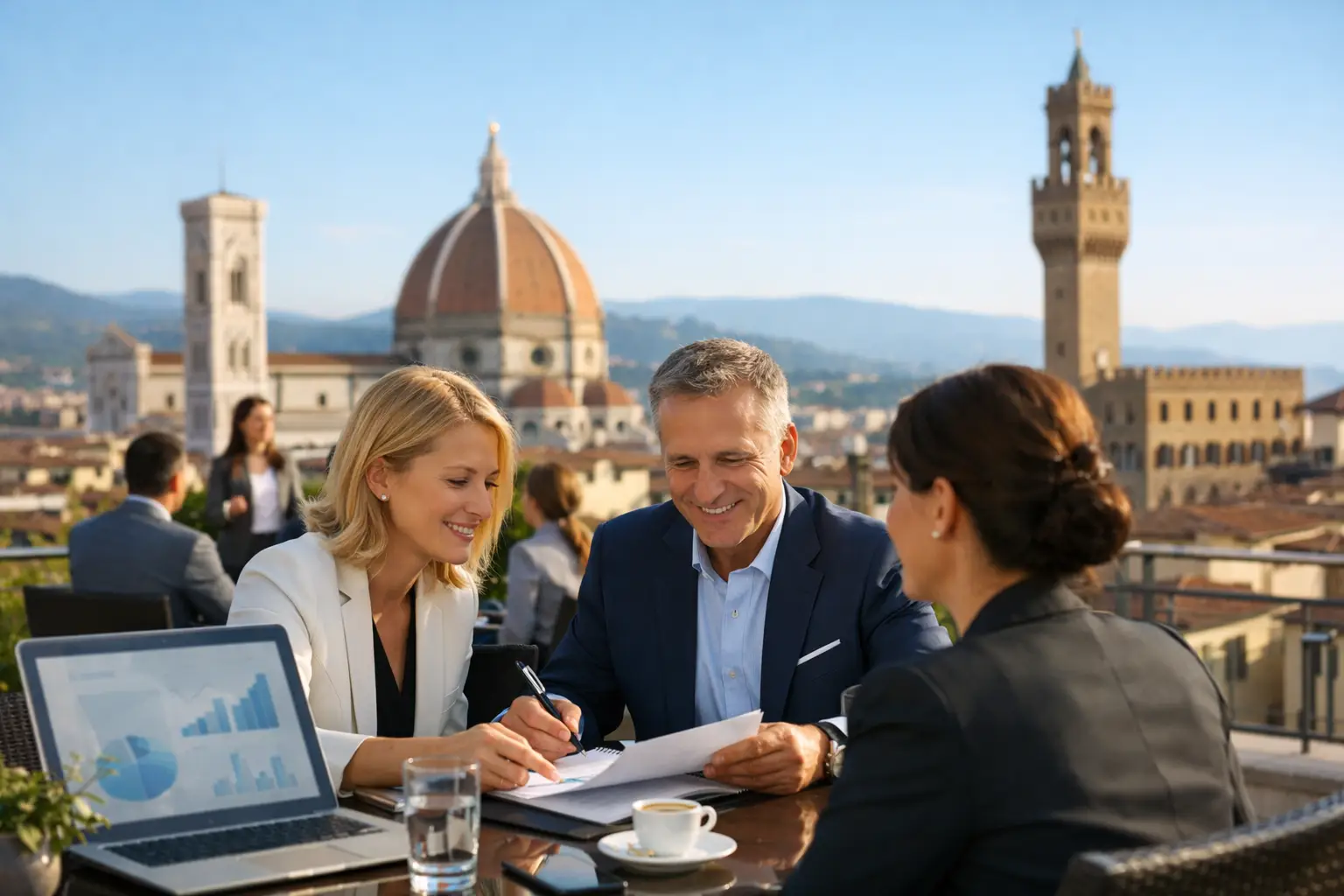
A board meeting in Milan, a leadership summit in Rome, a product launch in Florence, and a closing dinner in a Venetian palace may all happen in the same country, but they do not follow the same playbook. That is why an italy meetings planning guide matters. Italy rewards ambitious event design, but it also demands local judgment, precise timing, and a clear operational structure from the first brief.
For international planners, Italy is rarely chosen for convenience alone. It is chosen because the setting adds weight to the message. Historic venues, strong culinary identity, and instantly recognizable destinations can turn a standard corporate agenda into a high-value experience. The opportunity is significant, but so is the margin for error. A beautiful location does not solve transfer windows, staging restrictions, permit timing, or delegate movement across a medieval city center.
What an Italy meetings planning guide should solve
The real purpose of an italy meetings planning guide is not to romanticize the destination. It is to reduce uncertainty. Clients need to know which city fits the meeting objective, how venue style affects production, when seasonality becomes a cost issue, and where logistics can quietly undermine the guest experience.
Italy is exceptionally strong for meetings that need both substance and atmosphere. Executive retreats, incentive-linked meetings, leadership gatherings, distributor events, advisory boards, and multi-day conferences all work well here. The country supports formal business environments and high-touch hospitality in equal measure. What changes from program to program is the balance between efficiency and spectacle.
That balance matters early. If the agenda is content-heavy, access, acoustics, room flow, and hotel proximity should drive the venue short list. If brand impact is the main goal, the venue may carry more narrative value, but production access, loading schedules, and guest transport need closer scrutiny. In Italy, the most memorable event concepts are usually the ones with the strongest operational discipline behind them.
Choosing the right Italian city for the meeting brief
Italy should never be treated as a single event market. Rome, Milan, Florence, Venice, and other destinations each have a distinct rhythm, infrastructure profile, and guest expectation.
Milan is often the most efficient choice for corporate meetings with an international audience. It has strong air access, a business-oriented hotel inventory, modern meeting infrastructure, and a pace that suits tightly scheduled programs. It works especially well for product presentations, financial events, fashion-adjacent brand meetings, and regional conferences where timing is non-negotiable.
Rome offers institutional weight and visual impact. It is ideal when senior leadership presence, ceremonial settings, or a sense of significance matters. That said, Rome requires respect for movement times. Traffic patterns, protected historic areas, and city scale can affect every transfer plan. A meeting that looks compact on paper may need wider operational buffers than a similar program in Milan.
Florence is highly effective for executive groups, private meetings, and premium gatherings where intimacy and destination character are central to the experience. It is less about scale than curation. The city can be outstanding for high-level engagement, but access for large production vehicles, coach routing, and city-center logistics require disciplined planning.
Venice creates an experience very few destinations can replicate, but it is also the clearest example of why local execution matters. Water transfers, weather contingencies, luggage movement, and guest timing all behave differently there. Venice is exceptional for gala-linked meetings, board retreats, and luxury corporate events, yet it suits programs that accept complexity in exchange for distinction.
Venue selection in Italy is never only about aesthetics
Italian venues often sell themselves on first impression. Frescoed salons, Renaissance palaces, rooftop terraces, grand hotels, cloisters, and design-forward contemporary spaces all have obvious appeal. The planner’s job is to go one layer deeper.
Capacity is only the starting point. You need to understand whether the venue supports the agenda as it will actually be delivered. Ceiling heights, rigging permissions, backstage access, freight elevator dimensions, breakout adjacency, noise limitations, and setup windows can reshape what is practical. In heritage venues especially, preservation rules may limit branding, technical installation, or timing.
This is where trade-offs become real. A landmark venue may provide unmatched atmosphere, but require more external production support and tighter supplier coordination. A modern congress hotel may simplify execution, but offer less destination character. Neither choice is automatically better. The right answer depends on what the meeting needs to achieve and what level of production complexity the program can absorb.
For many international clients, the strongest format is a mixed model. Primary sessions in a highly functional venue, paired with private dinners or receptions in heritage settings, often deliver the best combination of control and impact.
Timing, seasonality, and budget pressure
Italy is a year-round destination, but not every season suits every program. Spring and early fall are popular because weather is generally favorable and cities show well. They are also periods of high demand, which affects venue availability, hotel pricing, and premium supplier lead times.
Summer can work well in certain destinations, particularly for evening-driven events and incentive-style meetings, but daytime heat in cities such as Rome and Florence can affect comfort and scheduling. August introduces another variable. While major tourism centers remain active, some local business rhythms change, and supplier patterns may be less straightforward depending on the region and event profile.
Winter can be a smart strategic choice for planners who want better value and stronger access to sought-after spaces, particularly in cities like Milan and Rome. The atmosphere can still feel elevated and distinct, especially when the program uses indoor cultural venues, seasonal dining experiences, and well-timed transportation plans. Cost efficiency is often stronger in this period, though weather contingency planning becomes more important.
Budgeting in Italy also requires attention beyond headline venue rates. Historic locations may involve special staffing, access rules, permit fees, security requirements, and stricter setup schedules. Older city centers can increase transportation costs because larger vehicles cannot always approach venues directly. A realistic budget comes from understanding operational layers, not only line-item comparisons.
Guest flow is where successful meetings are won
Attendees remember content and hospitality, but they feel logistics first. Long waits, unclear arrivals, fragmented check-ins, and poorly timed transfers can weaken even the best-designed program.
In Italy, guest flow deserves early planning because many event settings were not originally built for modern conference movement. Historic hotels may have elegant public spaces but limited back-of-house capacity. City-center venues may require staggered arrivals. Airport-to-hotel timing can vary significantly by destination and time of day. For larger groups, the difference between a good plan and a strained one often comes down to sequencing.
Arrival management, multilingual staffing, coach dispatching, VIP handling, badge distribution, luggage strategy, and departure waves should all be aligned with the agenda from the outset. This is especially true for multi-venue programs. If a meeting includes off-site dinners, tours, or partner activities, transportation should be designed as part of the guest experience rather than treated as a separate task.
The most effective planners build in margin without making the event feel slow. That takes local knowledge. A transfer that appears simple on a map may be the most fragile part of the day.
Local culture adds value when it serves the business goal
Italy has a natural advantage in atmosphere, but cultural elements work best when they are relevant to the audience and respectful of the meeting objective. Not every corporate group wants the same expression of Italian identity.
For some programs, that may mean a refined gala dinner in a private villa with regional menus and understated entertainment. For others, it could be a design-led aperitivo, a museum opening after hours, or a culinary experience that supports relationship-building without overwhelming the business agenda. The strongest choices feel intentional. They reinforce the brand message, reward attendees, and fit the tone of the event.
This is also where restraint matters. Too many destination elements can dilute a serious meeting. Too few can make Italy feel interchangeable with any other European city. The right approach is usually selective and well-curated.
Why in-country execution changes the outcome
An experienced local partner does more than book suppliers. They pressure-test timing, challenge assumptions, protect the budget from hidden inefficiencies, and solve problems before guests notice them. That is particularly valuable in Italy, where venue character, municipal rules, transport realities, and supplier ecosystems can vary sharply from one city to the next.
For agencies and corporate teams managing stakeholder expectations from abroad, local operational control reduces risk. It improves communication speed, strengthens quality oversight, and gives planners access to options that are not always obvious from a distance. When the event carries executive visibility or brand significance, that control matters.
Love IT DMC works in this space because Italy asks for more than bookings. It asks for execution with judgment.
A well-planned meeting in Italy should feel elevated, calm, and precisely timed. Guests may remember the frescoes, the terrace view, or the private dinner under vaulted ceilings. What they are really responding to is confidence – the sense that every decision, from venue choice to final departure, was made with purpose.

