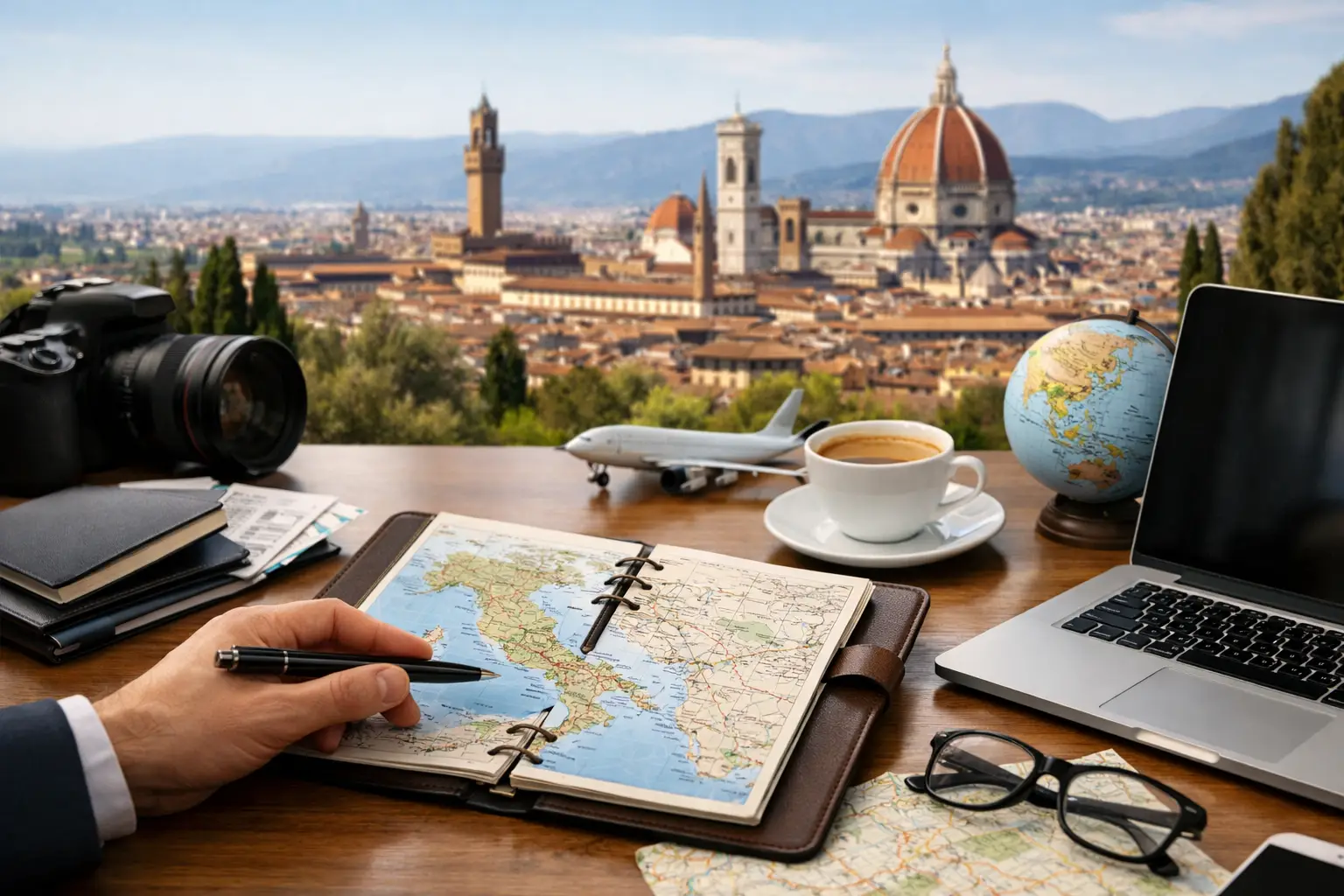
Italy can elevate an event quickly, but it also exposes weak planning just as fast. A strong international planner guide to Italy starts with that reality: the same destination that delivers extraordinary guest moments also demands disciplined decisions on timing, access, transport, supplier coordination, and venue rules.
For agencies and corporate teams planning from abroad, Italy is rarely difficult for the reasons outsiders expect. The challenge is not inspiration. It is execution. Historic venues come with strict load-in windows. City centers reward charm and penalize oversized vehicles. Regional differences matter. Service standards can be exceptional, but they depend on local relationships, clear briefs, and operational control on the ground.
What an international planner guide to Italy should cover first
The first decision is not which city is most beautiful. It is which city best fits your event objective, audience profile, timing, and movement pattern. Italy rewards alignment. When destination and program logic match, the event feels effortless to attendees. When they do not, the strain shows in transfers, pacing, and budget pressure.
Rome works well for leadership meetings, association events, and programs that need institutional weight. The city gives you scale, iconic recognition, and a sense of occasion that global stakeholders understand immediately. It also requires patience with traffic, careful coach planning, and realistic transfer times. Rome is rarely the place to underestimate distance simply because landmarks look close on a map.
Milan is the most direct fit for brands that want business efficiency with a polished lifestyle edge. It is strong for product launches, executive meetings, fashion-adjacent events, and conferences with international air access as a priority. Compared with other Italian destinations, Milan is often simpler operationally. That does not mean easy. Premium venues book quickly, and calendar pressure around fairs and design events can reshape rates and availability.
Florence suits incentives, private events, and smaller high-value gatherings where atmosphere matters as much as agenda. It offers immediate visual impact and a compact historic center, but its very appeal creates restrictions. Large vehicles, tight access windows, and preservation rules all affect setup and guest flow. For the right group size, Florence is exceptional. For very large programs, it may require satellite logistics or creative venue combinations.
Venice remains one of the most memorable event destinations in Europe, but it is also the clearest example of why local expertise matters. Every movement has a marine dimension. Weather, tides, private dock access, and baggage handling are not side details. They are core planning variables. Venice can produce unmatched executive and incentive experiences, yet it is less forgiving when timing slips.
Venue strategy in Italy is never just about aesthetics
International planners are often drawn first to palaces, villas, cloisters, rooftops, and heritage properties. That instinct is right. Italy’s strongest event advantage is its ability to place a business gathering inside a setting people would never forget. Still, a venue should be evaluated as an operating environment before it is sold as a visual one.
Ask early about exclusivity, noise restrictions, rigging permissions, power load, supplier access, security parameters, rain backup, and late-night limitations. In Italy, a breathtaking venue may be perfect for a gala dinner and completely wrong for a general session with production complexity. The trade-off is often between emotional impact and technical ease. The best programs know where to spend on each.
Heritage venues also require a different mindset from international teams used to convention-standard flexibility. You may not be able to move quickly, brand heavily, or install aggressively. That is not a weakness. It simply means the event concept should respect the space rather than fight it. When brand storytelling is designed around the venue’s character, the result feels elevated rather than overproduced.
Timing affects more than weather
Seasonality in Italy is about much more than sunshine. Spring and early fall are typically the strongest windows for MICE programs because climate, energy, and destination appeal align well. Those periods also bring high demand, stronger room rates, and competition for top venues and specialist suppliers.
Summer can work for coastal incentives and certain evening-led formats, but it depends on destination and audience tolerance. Inland cities can become very hot, and daytime programming may need to be reduced or shifted. August presents a specific consideration. While major hospitality infrastructure continues to function, business rhythms change, local closures increase, and staffing patterns can vary. It is not automatically the wrong month, but it needs a deliberate operating plan.
Winter brings value in some markets and real atmosphere in cities such as Milan, Rome, and Venice. It can also support executive meetings beautifully, especially when the event leans into culture, dining, and private access rather than outdoor movement. The trade-off is shorter daylight, increased weather uncertainty, and fewer options for open-air experiences.
Transportation is where good plans become credible
If there is one area where international events in Italy are won or lost, it is transportation logic. Guests will remember the dinner, but they will feel every weak transfer. The country’s geography, historic urban fabric, and destination-specific access rules make transport planning a strategic task, not an administrative one.
Airport selection should be tied to attendee origin, arrival waves, and final destination, not only to the nearest point on the map. Rail can be highly effective between major cities and should be considered when it improves overall journey quality. In some cases, a mixed model works better than a coach-heavy one, especially for executive groups or split itineraries.
Within cities, the operating question is not simply how long the route takes. It is whether vehicles can legally and practically reach the venue entrance, where guests can disembark, and how pedestrian segments affect timing, accessibility, and VIP management. In Venice, this becomes a marine routing exercise. In Florence or Rome, it may mean staging arrivals in layers rather than all at once.
Attendee experience matters here. A transfer that is efficient on paper can still feel poor if it involves too many transitions, unclear wayfinding, or long waits after a flight. Strong logistics protect energy, punctuality, and perception. They also protect the planner from escalation when one late arrival starts affecting the full program.
Budgeting in Italy requires precision, not caution alone
Italy can support a wide range of price points, but premium events should not be budgeted with generic Southern Europe assumptions. Costs are shaped by destination, season, exclusivity, labor timing, transport complexity, and the technical demands of the venue.
What often surprises overseas planners is how quickly secondary costs accumulate. A historic site may have moderate rental fees but higher staffing requirements, strict approved supplier conditions, and more complicated installation windows. A dinner that looks simple in concept may involve marine logistics, permit timing, or additional guest management staff because of the site layout.
The practical approach is to budget around the real operating model. That means distinguishing visible spend from structural spend. Decor is visible. So is entertainment. Structural spend includes transport control, multilingual staffing, contingency planning, hostess teams, permissions, and timing buffers. Guests may never identify those line items directly, but they notice when they are missing.
Cultural fluency improves delivery
An international planner guide to Italy should also address working style. Italy is deeply professional, but it is relationship-led. Clear written briefing is essential. So are follow-up, context, and mutual trust. Fast decisions are possible, yet they are usually stronger when local partners have enough strategic information to advocate for the right solution rather than respond only to isolated requests.
This is especially relevant for agencies managing multiple stakeholder groups. Internal teams may want one thing, procurement another, and senior leadership something else entirely. A local destination partner helps translate those priorities into a workable Italian program, where venue realities, supplier practices, and timing restrictions are understood before they become problems.
There is also a guest-facing advantage to cultural fluency. Italy performs best when the event does not feel imported and dropped into place. Menus, entertainment, pacing, gifting, and venue choice should reflect destination character while staying aligned with brand standards. That balance is where an event moves from expensive to memorable.
Why local control changes the outcome
Remote planning can get a program far. It cannot replace in-country control during critical phases. Site visits, supplier alignment, final checks, rehearsal timing, contingency response, and live event management all benefit from people who know the destination, the venue teams, and the practical limits of the plan.
For international organizers, this is less about outsourcing and more about risk management. The right local partner protects schedule integrity, guest comfort, and stakeholder confidence. They know when a venue is saying yes politely but operationally means maybe. They know which timing assumptions are realistic. They know when a beautiful idea needs one adjustment to work perfectly in Italy.
That is where a specialist such as Love IT DMC brings real value – not only by sourcing remarkable settings, but by turning Italy’s complexity into a controlled, high-performing event environment.
Italy rewards ambition when it is matched by discipline. Plan with imagination, but operate with precision, and the destination will give your guests exactly what they came for: substance, distinction, and a reason to remember the event long after they return home.

