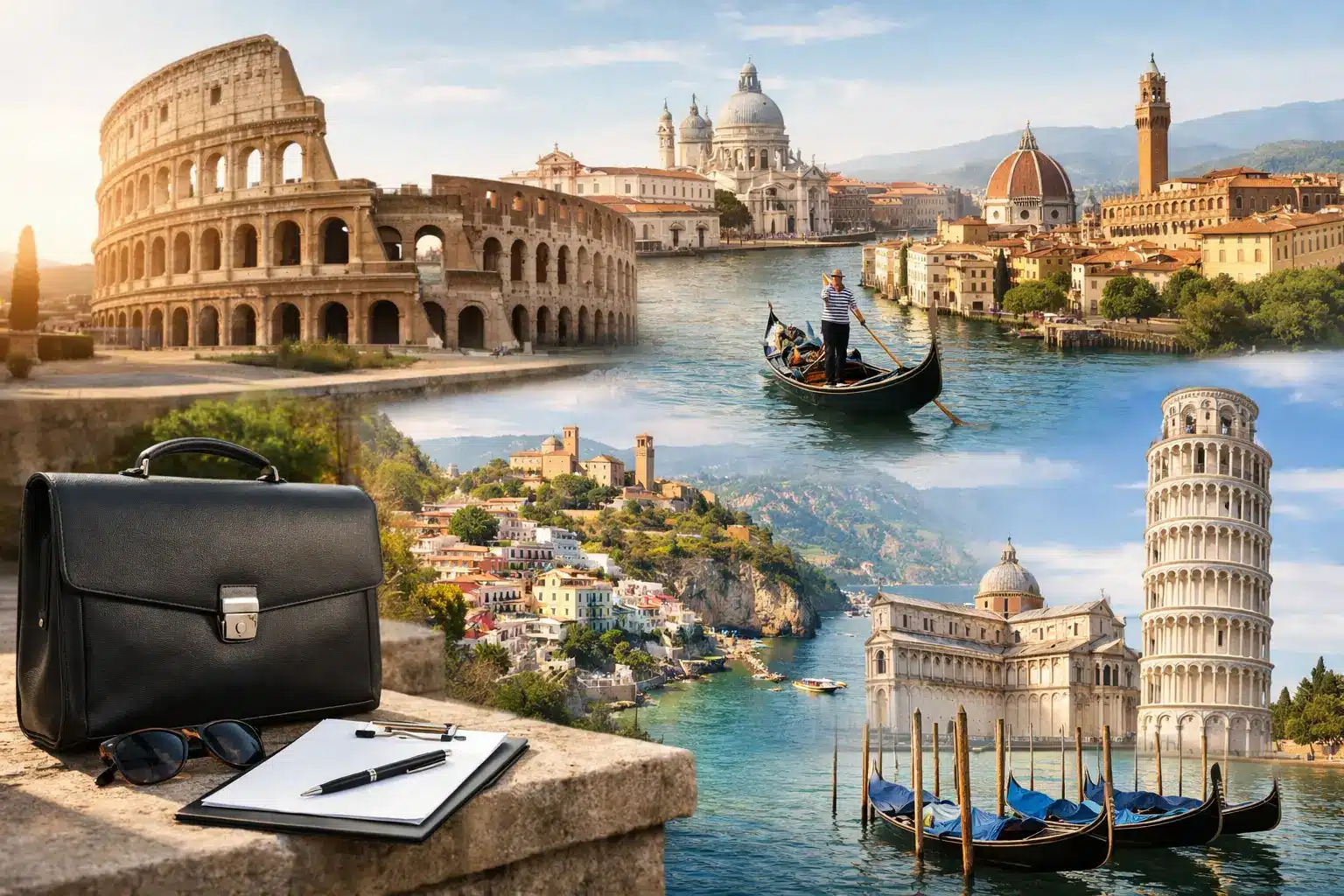
A strong incentive program is rarely about the hotel alone. It is about what guests feel when they arrive, how easily they move through the destination, and whether every touchpoint supports the message your brand wants to send. That is why choosing among the best Italian cities for incentives is not simply a matter of popularity. It is a decision about access, pace, cultural weight, budget efficiency, and the kind of memory you want attendees to take home.
Italy gives planners a rare range of options within one country. You can host a leadership reward in a Renaissance palazzo, stage a product celebration on a Venetian terrace, or balance business sessions with coastal experiences in the south. The right city depends on group size, season, flight patterns, and the level of exclusivity required. The best results come from matching destination character with program purpose.
What makes the best Italian cities for incentives
For incentive travel, the city itself becomes part of the event design. A destination has to do more than look impressive in a proposal. It needs to function well for arrivals, transfers, private events, dining flow, and optional activities.
The strongest Italian incentive destinations tend to share five qualities. They are internationally accessible, rich in venues that feel distinct rather than generic, strong in hospitality standards, workable for group logistics, and flexible enough to support both structured agendas and spontaneous moments. That last point matters more than many planners expect. Guests remember the private opening at a historic site, but they also remember whether moving from dinner to the hotel felt effortless.
There is also a strategic question behind destination choice. Some cities project status and prestige. Others encourage bonding, reward, and a slower emotional connection. Neither is automatically better. It depends on whether your program is designed to motivate sales teams, retain top performers, host executives, or reward channel partners.
Rome
Rome remains one of the best Italian cities for incentives when the objective is impact from the first hour. Few destinations deliver the same immediate sense of scale and significance. For global groups, that matters. Rome feels important, and that emotional response gives incentive programs a strong opening.
From an operational standpoint, Rome works especially well for medium to large groups. Air access is strong, hotel inventory is broad, and there is meaningful range across luxury, international brand, and boutique options. The city also supports ambitious event design. Private dinners in historic palaces, after-hours cultural visits, rooftop receptions, and structured neighborhood experiences can all sit within one program without making logistics feel forced.
The trade-off is pace. Rome is large, traffic can be unpredictable, and distances that look short on a map may take longer than expected in practice. A good Rome incentive program needs disciplined routing, realistic transfer timing, and venue choices that reduce unnecessary movement. When managed properly, the reward is a destination that feels grand, generous, and unmistakably Italian.
Florence
Florence is often the right answer for groups that want refinement over scale. It is compact, visually coherent, and exceptionally strong for high-end experiences tied to art, craft, cuisine, and heritage. For executive incentives or premium rewards, Florence offers intimacy without sacrificing prestige.
Because the historic center is relatively walkable, Florence can simplify attendee flow in ways larger cities cannot. That improves the guest experience immediately. A program can move from a museum opening to a gala dinner to a luxury hotel with minimal friction, and that ease creates a sense of polish.
Florence is not always ideal for very large groups during peak periods, particularly when venue exclusivity and hotel concentration are critical. Inventory is selective, and the city’s charm depends partly on preserving its scale. Still, for the right size program, Florence delivers exceptional quality. It suits brands that want cultural depth, craftsmanship, and a more curated atmosphere than a capital city typically provides.
Venice
If the brief calls for rarity, Venice is difficult to match. Arriving by water still has the power to impress even highly traveled guests, and the setting naturally supports a sense of privilege. For incentives centered on recognition, celebration, and emotional reward, Venice performs exceptionally well.
The city is strongest for smaller to mid-sized groups that value exclusivity. Historic hotels, palace venues, island experiences, and elegant dining all reinforce the feeling that attendees are somewhere truly special. Venice also works well for programs where fewer agenda items are needed because the destination itself does part of the work.
However, Venice requires precise planning. Transport logistics are more complex than in mainland cities, weather can affect movement, and heavy tourist periods demand careful timing. It is not the easiest city operationally, but it can be one of the most effective when the guest journey is well designed. For the right audience, Venice turns incentive travel into a statement.
Milan
Milan is sometimes underestimated in incentive planning because it is associated so strongly with business. In practice, that can be an advantage. Milan is efficient, internationally connected, and particularly effective for brands that want contemporary energy rather than purely historic grandeur.
This city suits incentives with a sharper corporate edge – think sales kickoffs with reward elements, partner events, luxury brand experiences, or programs where fashion, design, innovation, or gastronomy are part of the narrative. Venue options range from modern rooftop spaces to grand heritage properties, and the city’s service culture is generally fast, polished, and business-ready.
Milan may not deliver the same romantic response as Venice or Florence, so it is not the universal choice for pure reward travel. Yet for many international companies, it offers a powerful balance of credibility and experience. It is also a strong gateway for extensions to the lakes, Piedmont, or nearby countryside, which can widen the program without complicating access.
Naples and the Amalfi Coast gateway
For incentive groups that want energy, authenticity, and a stronger emotional contrast to everyday corporate life, Naples can be a compelling base. It brings character immediately. The food culture is world-class, the atmosphere is vivid, and access to surrounding experiences is excellent.
The real strength here is combination. Naples can serve as the operational gateway to the Amalfi Coast, Capri, Pompeii, and private coastal venues. That creates a program with variety and movement, often within a manageable travel framework. Guests can experience history, sea views, and exceptional dining in one itinerary.
This region demands careful expectation setting. Seasonal congestion, road timing, and weather sensitivity on the coast all affect planning. It works best when logistics are tightly controlled and the agenda is paced with realism. For clients willing to prioritize atmosphere and reward value, the return can be remarkable.
Bologna
Bologna deserves more attention from incentive planners than it often receives. It is one of Italy’s most practical and underrated cities for groups that care as much about execution as they do about destination appeal. Well connected by high-speed rail and centrally positioned, Bologna can support efficient programs without feeling generic.
Its strongest advantage is culinary credibility. For food-led incentives, team rewards, or client programs built around regional identity, Bologna offers substance. Guests engage with Italy through cuisine, local producers, elegant porticoed streets, and a city center that feels authentic rather than over-staged.
Bologna is unlikely to replace Rome for spectacle or Venice for romance. That is not its role. Its value lies in balance: strong infrastructure, a sophisticated but grounded atmosphere, and access to broader Emilia-Romagna experiences. For planners who want high quality with fewer operational headaches, Bologna is often a smart choice.
Palermo and Sicily
When an incentive needs to feel more exclusive, Sicily can shift the entire tone of a program. Palermo, in particular, opens the door to a version of Italy that feels layered, sunlit, and less expected by many international attendees. For repeat travelers, that difference matters.
Sicily rewards programs built around discovery, not just status. Baroque cities, coastal settings, vineyard experiences, historic estates, and strong local traditions allow planners to create itineraries with real depth. The destination is especially effective for senior groups, partner rewards, and clients who have already experienced Italy’s classic triangle of Rome, Florence, and Venice.
The trade-off is complexity. Distances can be longer than expected, seasonality matters, and some programs require more coordination across accommodation and transport. This is where local operational control becomes essential. When those details are handled properly, Sicily feels generous, distinctive, and highly memorable.
How to choose the right city for your incentive
The best city is the one that supports your objectives without creating avoidable friction. If you need prestige and broad capacity, Rome is usually a strong fit. If intimacy and curation matter more, Florence or Venice may serve the brief better. If speed, access, and a modern brand tone are central, Milan stands out. If your audience responds to food, authenticity, and regional depth, Bologna, Naples, or Sicily may be more effective than the obvious choices.
It also helps to decide what you want guests talking about on the flight home. The grandeur of a historic setting. The privilege of exclusive access. The pleasure of coastal dining. The surprise of discovering a less expected city. Incentive travel works best when that emotional outcome is clear from the start.
For international planners, the most successful programs are rarely built around a city in isolation. They are built around a city interpreted correctly, with the right routing, venues, timing, and guest rhythm. That is where local expertise changes the result. Love IT DMC sees this often: the destination may attract attention, but precise execution is what makes an incentive feel effortless.
Italy gives you exceptional options. The smart decision is not choosing the most famous city. It is choosing the city that makes your attendees feel rewarded in exactly the way your brand intends.

