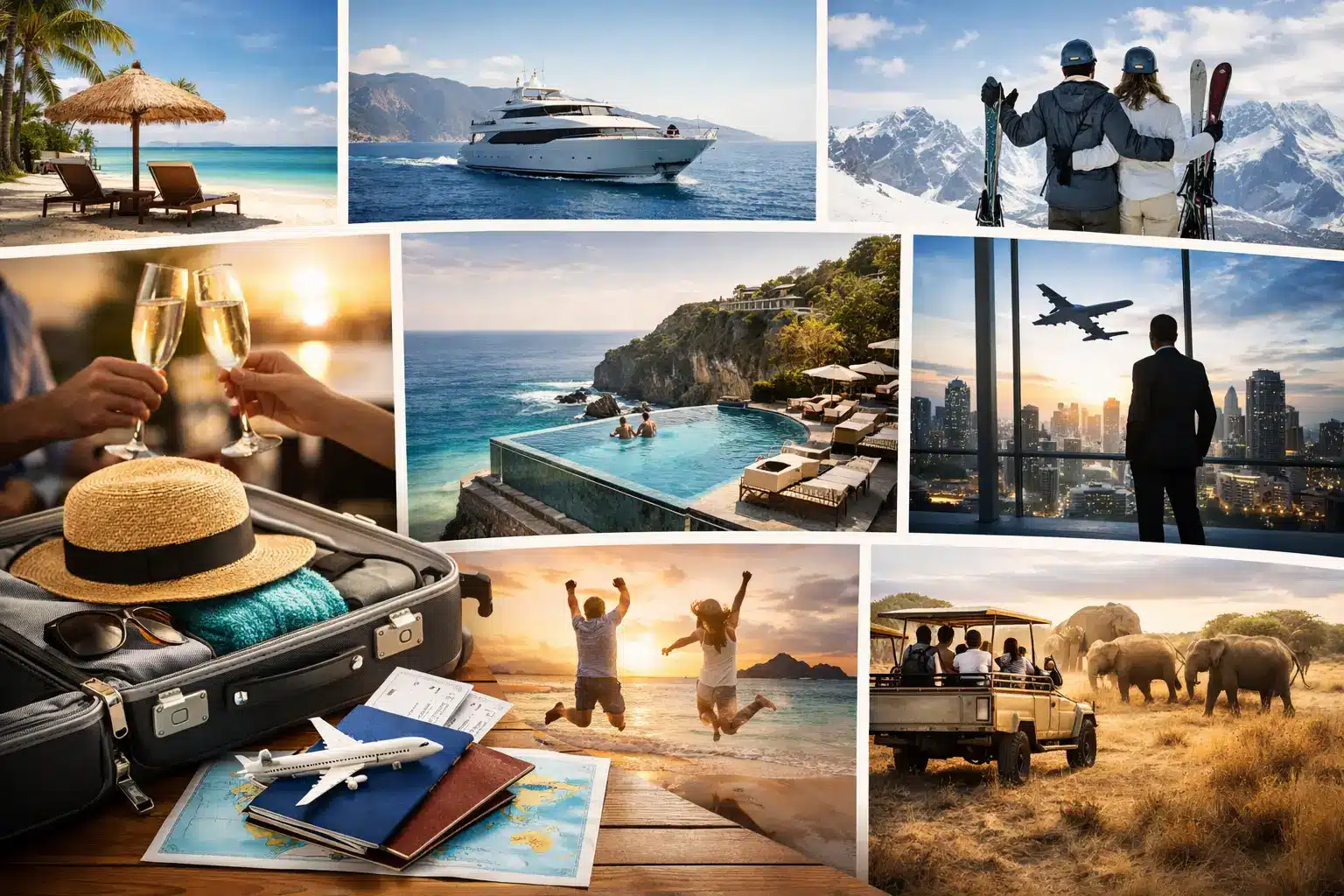
A generic reward rarely changes behavior. A well-designed trip often does. That is why travel incentive programs examples continue to matter for companies that need to motivate top performers, strengthen loyalty, and create a measurable business result around a memorable experience.
For event agencies and corporate teams, the real question is not whether incentive travel works. It is which format works best for your audience, budget, timeline, and business objective. A President’s Club in Rome creates a very different impact than a distributor reward in Tuscany or a sales contest finale in Venice. The strongest programs are built backward from the outcome, then shaped around destination, access, and guest experience.
What makes travel incentive programs effective
Travel earns attention in a way that cash often does not. It carries status, anticipation, and emotional weight. When the destination is compelling and the program is managed with precision, the reward becomes part of company culture rather than a line item on a compensation sheet.
That said, incentive travel is not automatically effective. If qualification feels unclear, the destination feels disconnected from the audience, or logistics create friction, the program can lose momentum. High-performing incentive design requires clear criteria, visible prestige, and a guest journey that feels intentional from invitation to departure.
For international groups, this is where operational discipline matters. Arrival flow, transfer timing, rooming lists, private access, dietary management, and multilingual guest support all shape how the reward is perceived. The experience may feel effortless to attendees, but it only feels that way because it has been planned carefully.
Travel incentive programs examples by business goal
The best travel incentive programs examples are tied to a specific commercial or cultural objective. Below are nine formats that companies use successfully, each with a different strategic purpose.
1. President’s Club for top sales performers
This is the classic model and still one of the most effective. The company sets a high but achievable target for individual sales performance, then rewards qualifiers with an elevated multi-day trip.
In Italy, this often works best in a destination that signals prestige immediately. Think private arrival in Rome, a rooftop welcome dinner overlooking historic landmarks, executive-level accommodations, and one standout signature moment such as exclusive evening access to a heritage venue. The appeal here is recognition. Guests know they have earned a place reserved for the best.
This format suits organizations with established sales teams and a strong internal culture of performance visibility. It can be less effective if too few participants qualify, or if the reward feels disconnected from the level of effort required.
2. Team-based incentive for regional offices
Not every company wants to reward only individual stars. A team-based program can support collaboration, especially when results depend on account teams, country offices, or cross-functional performance.
A practical example is a two-night program in Florence for the top regional office by annual growth. The itinerary may include a private dinner in a palazzo, curated local experiences, and structured celebration moments that reinforce shared success. This approach shifts the message from personal competition to collective achievement.
The trade-off is that team incentives require careful communication. High performers do not want to feel their effort is diluted, while lower-contributing team members should not appear to receive a free ride. Qualification rules must be transparent.
3. Channel partner reward trip
For brands that rely on distributors, resellers, or franchise partners, travel can be a powerful way to protect loyalty and increase sell-through. The trip becomes both a reward and a relationship platform.
A channel partner program in Milan, for example, might combine premium hospitality with business sessions, product previews, and hosted networking. This works particularly well when a company wants to deepen commitment among high-value external partners rather than employees.
The key here is balance. If the trip feels too much like a conference, the reward value drops. If it is all leisure and no commercial purpose, procurement stakeholders may question the investment.
4. New product launch incentive
Some travel programs are designed around momentum rather than annual recognition. A product launch incentive rewards the teams or markets that drive early adoption fastest.
An effective example is a short-format celebration in Venice for the first wave of top-performing markets after a launch quarter. The program may include a gala dinner, branded moments tied to the product story, and highly visual experiences that support internal communications afterward.
This format is useful when speed matters. It keeps energy high in a compressed period. However, short qualification windows can frustrate teams if the rules are not simple and the reporting is not timely.
5. Executive incentive retreat
Senior leaders are not always motivated by the same reward structure as sales teams. For executives, a travel incentive may need to combine exclusivity, privacy, and strategic value.
A retreat on Lake Como or in the Tuscan countryside can function as both recognition and leadership alignment. The schedule is usually lighter, with time for private dinners, moderated discussion, and highly tailored cultural access. This is not a mass reward trip. It is a selective program built around discretion and relationship depth.
Used well, this model strengthens retention among senior talent and creates space for high-level conversation outside the office. Used poorly, it can look indulgent. The business rationale needs to be clear.
6. Employee recognition trip for non-sales roles
One common mistake is assuming travel incentives only work for revenue-generating teams. In reality, operations, customer success, engineering, and internal support functions often respond strongly to recognition travel because they are less frequently rewarded in visible ways.
A company might create a nomination-based incentive in Bologna or Florence for employees who demonstrate innovation, leadership, or service excellence. The value here is cultural. It signals that contribution is measured broadly, not only by sales numbers.
This format does require thoughtful governance. Subjective selection can create skepticism if criteria are vague. A nomination process should be supported by defined standards and credible internal review.
7. Client loyalty experience
Some of the strongest travel incentive programs examples are aimed outward. Instead of rewarding employees, the company hosts top clients in a destination that supports relationship building at a premium level.
In Italy, this can be especially effective because hospitality, cuisine, heritage, and private venue access combine naturally into an experience that feels both generous and commercially intelligent. A program might include a private dinner in Florence, hosted cultural touring, and one focused business touchpoint framed around shared planning for the coming year.
This model works best for companies with large account values and long sales cycles. It is less suited to heavily regulated industries unless compliance rules are reviewed closely.
8. Milestone celebration trip after a merger or transformation
Travel incentives do not always have to reward competition. They can also mark a major business milestone and help unify people after change.
For example, after a successful merger, a company may invite key integration leaders and high-impact contributors to Rome for a recognition program built around shared achievement. This can be especially valuable when the business needs to reinforce a new identity and celebrate the effort behind a difficult transition.
The experience should not feel like a standard offsite with better food. The destination, storytelling, and guest moments need to reflect the significance of the milestone.
9. Earned travel with guest inclusion
A reward becomes more personal when qualifiers can bring a partner or guest. For some audiences, this significantly increases motivation because the trip is not only prestigious but shareable.
A four-day earned program in Venice or along the Amalfi Coast can be designed with a mix of hosted group moments and free time, allowing guests to enjoy the destination without feeling overmanaged. This format often performs well with senior sales talent and mature workforces.
The operational complexity is higher. Rooming, arrivals, dietary needs, and optional activities all become more layered. The payoff, however, is often stronger emotional loyalty.
How to choose the right incentive travel format
The right structure depends on what behavior you are trying to drive. If the goal is quarterly acceleration, a short, high-visibility reward may outperform a distant annual trip. If the goal is retention among top talent, exclusivity and personalization matter more than scale.
Audience profile matters just as much. A younger sales team may prefer energy, nightlife, and social recognition. A senior executive group may value privacy, fine dining, and curated access. International guest mix also shapes planning. Flight patterns, seasonality, mobility requirements, and cultural expectations all affect destination fit.
This is where Italy offers unusual flexibility. Rome delivers grandeur and visibility. Milan supports modern luxury and business polish. Florence offers intimacy, heritage, and refined hosting. Venice creates rarity from the moment guests arrive. Each destination can support a different incentive logic, which is why the program design should come before the itinerary details.
Why execution matters as much as the idea
A strong concept can lose impact quickly if the trip feels disjointed. Incentive travel is judged in the details attendees notice and the hundreds they never see. Airport meet-and-greet, transfer management, branded communication, timing of surprise moments, privacy of venues, and quality of staffing all affect whether the program feels premium or improvised.
For agencies and corporate planners managing overseas groups, local control is especially important. A destination may look spectacular on paper, but access, timing, and group flow are what protect the attendee experience. This is one reason companies work with in-country specialists such as Love IT DMC when the expectation is high and the margin for error is low.
The best incentive trip is not the most expensive one. It is the one that aligns reward value with business purpose, then delivers every touchpoint with confidence. If you begin there, the destination stops being just a backdrop and becomes part of the reason the program succeeds.

