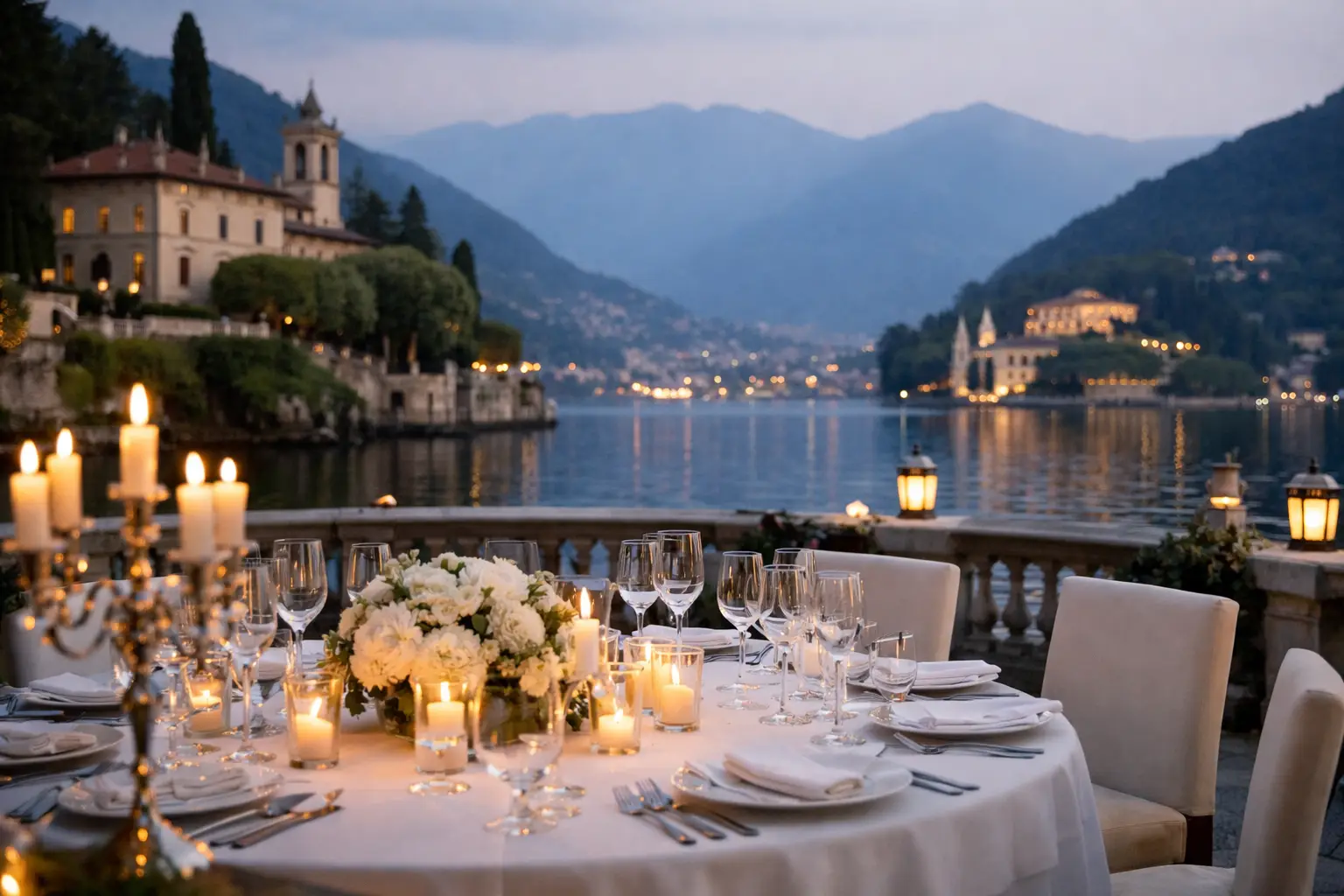
A gala dinner in Italy is never simply a meal after a conference. It is the moment when guests decide whether the destination delivered on its promise. The best top gala dinner locations in Italy pair visual impact with practical control: a credible arrival route, room for production, a service plan that protects timing, and an atmosphere that feels distinctly Italian rather than staged.
For international agencies and corporate teams, the right venue depends on the story the event needs to tell. A heritage palace can reinforce legacy and prestige. A contemporary museum can frame innovation. A vineyard estate can create intimacy after a demanding program. The strongest choice is not always the most photographed venue. It is the one that supports the guest count, agenda, brand requirements, and operational realities without compromise.
What makes a gala dinner venue work
Italy offers extraordinary settings, but historical beauty alone does not make a venue event-ready. Protected buildings may have strict access hours, limited load-in routes, noise restrictions, or rules around lighting, branding, and catering. A location that is perfect for a 120-person awards dinner may be unsuitable for a 500-person conference finale with a live performance and complex audiovisual production.
Venue sourcing should begin with the fundamentals: seated capacity in the preferred layout, exclusivity, transfer times, kitchen capability, accessibility, contingency space, and the permissions required for the intended program. It should then move to the details that guests notice without realizing it – coat check flow, restroom capacity, table service timing, acoustics, and the distance from dinner to entertainment.
For large groups, proximity matters. A spectacular rural setting can be worth the travel time for an incentive group, but it may be the wrong choice after a full-day congress when attendees need to return to the city quickly. The most successful gala is designed around energy management as much as visual impact.
Top gala dinner locations in Italy by destination
Rome: imperial scale and cinematic grandeur
Rome is the natural choice when a brand needs to make an immediate statement. Private palaces, museum courtyards, rooftop terraces, and former imperial complexes create a sense of occasion that few destinations can match. Guests can move from a formal reception into frescoed salons, classical gardens, or dramatic halls where history becomes part of the event design.
A palace dinner near the historic center works particularly well for executive groups, awards ceremonies, and international meetings that need a formal closing night. It offers a refined setting for live classical music, a staged entrance, and seated service under high ceilings or painted ceilings. Museums and archaeological settings provide a different tone: more contemporary, more immersive, and especially effective for brands with a story around creativity, heritage, or transformation.
Rome requires disciplined logistics. Central access can be restricted, large coaches may need carefully planned drop-off points, and approval processes can take time. Production teams must work within preservation rules, while guest transport must account for traffic patterns and evening street closures. These constraints are manageable with local coordination, but they should shape the concept from the first proposal rather than be treated as last-minute details.
Florence: Renaissance elegance with executive intimacy
Florence excels at gala dinners where cultural depth matters more than sheer scale. Its historic palazzi, cloisters, garden venues, and art-focused spaces give corporate events a polished, highly personal character. The city is particularly strong for leadership summits, premium incentive groups, luxury launches, and dinners that follow meetings at nearby hotels or conference venues.
A Renaissance palace can support a formal reception in a courtyard followed by dinner in ornate salons. For a warmer, less ceremonial atmosphere, a private garden or hilltop villa outside the center can combine Florence skyline views with a more relaxed Tuscan menu. The contrast between architectural grandeur and regional cuisine is often what guests remember most.
Florence’s compact center is an advantage for attendee flow, but it also demands precision. Many historic venues have narrow approaches, protected interiors, and limited parking. Smaller rooms can require a multi-space format, with reception, dinner, and after-dinner entertainment staged separately. That can feel elegant when planned well, but it needs clear wayfinding, host staffing, and a carefully paced program.
Venice: arrival becomes part of the experience
In Venice, the journey to dinner is itself a production element. A private water transfer through the lagoon, an arrival at a noble palace, and a candlelit dinner overlooking the Grand Canal create an experience that feels impossible to replicate elsewhere. Venice is ideal for incentive programs, client hospitality, and smaller-to-mid-size gala dinners where exclusivity has greater value than volume.
Historic palaces, former confraternities, private islands, and select waterfront venues provide dramatically different moods. A formal ballroom creates Venetian grandeur. A private island can offer more freedom for outdoor aperitifs, entertainment, and late-evening programming. For a brand with international guests, the key is to build the water logistics into the guest experience rather than present them as transport.
Weather, tides, and luggage movements require particular attention. Water taxis and boats need staggered schedules, manifest control, and clear boarding hosts. Venue selection must also consider mobility needs, docking points, and the availability of a weather-protected route. Venice rewards thoughtful planning, but it is not the destination for casual assumptions.
Milan: contemporary confidence and production flexibility
Milan offers the most versatile setting for brands that want Italian sophistication with a modern business edge. Industrial heritage venues, design spaces, museums, rooftop locations, and elegant private residences can support gala dinners with ambitious staging, digital content, and high-energy entertainment. It is a natural fit for fashion, technology, automotive, finance, and pharmaceutical events.
Converted factories and exhibition-style venues can accommodate larger groups, stronger production values, and custom scenic design. They are often the right answer when the dinner is part of a product reveal, leadership broadcast, or brand celebration requiring rehearsals, large screens, or a significant stage. By contrast, an intimate design venue or historic residence can bring refinement to a senior executive dinner without losing Milan’s contemporary character.
Milan’s infrastructure supports high volumes efficiently, particularly around major conference districts and airports. Yet the choice still depends on the program. A venue that is easy for production may lack the sense of destination that an international audience expects. The best concepts combine Milanese design confidence with local food, performance, or cultural detail that gives the evening a clear Italian identity.
Tuscany and Lake Como: room to breathe
For incentives and leadership gatherings, Tuscany and Lake Como offer a compelling alternative to city-center formality. Vineyard estates, historic villas, lakeside gardens, and country residences create space for welcome drinks at sunset, open-air dinners, and tailored cultural experiences. These settings are especially effective when the gala is designed as the emotional high point of a multi-day program.
Tuscany suits groups seeking food and wine at the center of the experience. A vineyard dinner can feel relaxed and authentic, but it still needs professional production planning: reliable power, weather cover, guest comfort, transport coordination, and a culinary service model that works outdoors. Lake Como brings a more glamorous, international tone, with villas and waterfront terraces that are ideal for high-touch executive hospitality.
Both destinations demand realistic transfer planning. Evening journeys from airports, city hotels, or remote villas can affect guest energy and the timing of alcohol service. For some programs, an overnight stay close to the venue is the better operational choice. A scenic setting should simplify the experience for guests, not create a long logistical tail.
Design the evening around the venue’s strengths
The most effective gala dinners do not force every venue into the same format. A Roman museum may call for a concise reception, strong lighting, and a seated dinner that lets architecture lead. A Tuscan estate may invite a slower transition from aperitivo to dinner, with regional musicians and shared table moments. A Milanese industrial venue may be built around a bold entrance, branded content, and a late-night performance.
Catering deserves the same strategic attention. International guests expect Italian cuisine, but they also expect service that respects dietary requirements, pacing, and the formality of the occasion. A menu should reflect the region without becoming predictable. The result might be a refined interpretation of local classics, paired with wines chosen for the event’s tone and service schedule.
At Love IT DMC, venue selection is approached as part of the full operating plan, not as an isolated creative decision. Transport, permits, staffing, technical production, entertainment, catering, and guest communications are aligned before the final venue recommendation is made. That is how a remarkable Italian setting remains remarkable once hundreds of guests arrive.
The right gala dinner location gives guests a story they can repeat when they return home. Choose the setting with ambition, then protect that ambition with exact timing, experienced local partners, and a plan built for the reality of the event.

