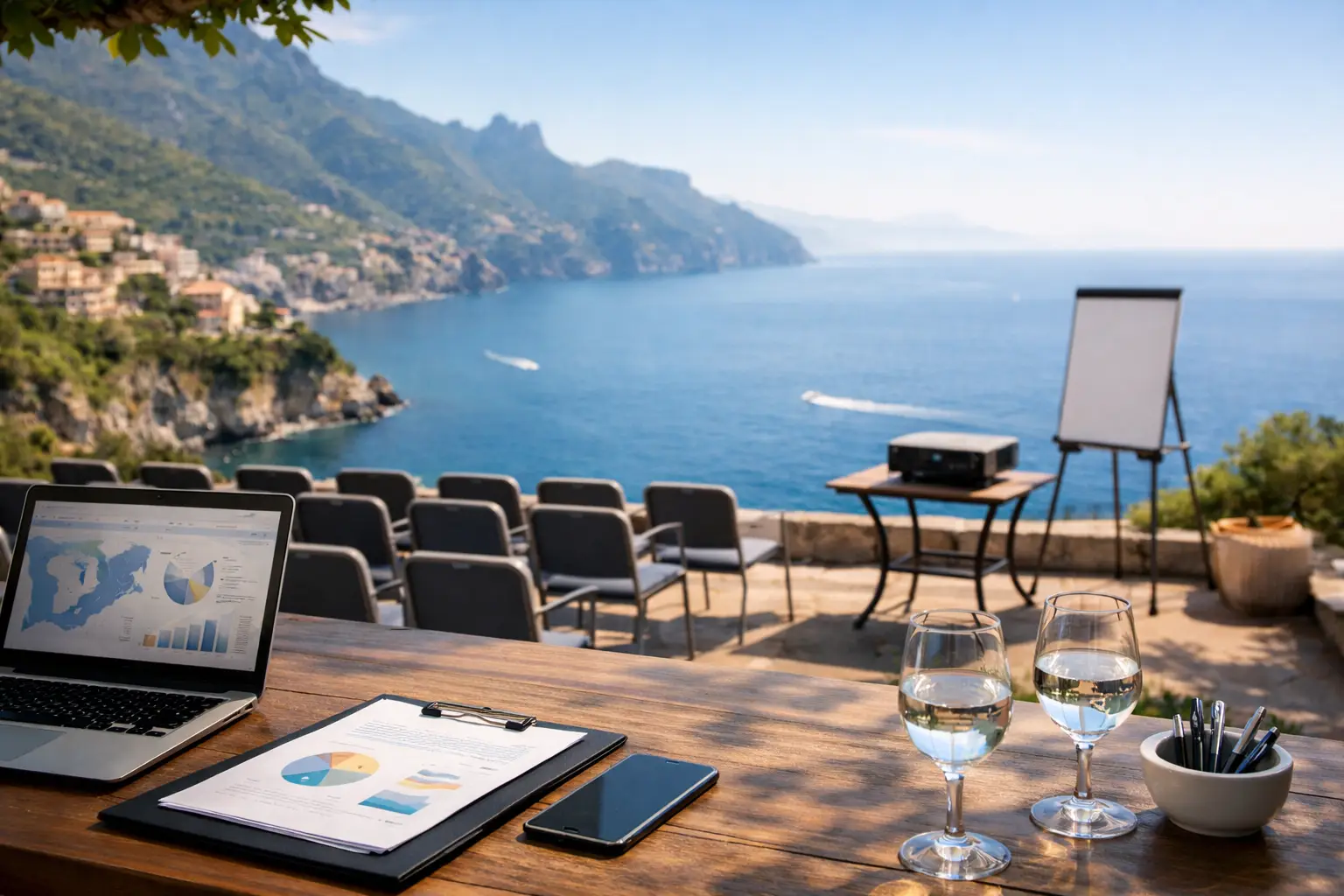
A conference can look perfect on paper and still fail in execution the moment 400 delegates land in different airports, transfers stack up, venue access slows, and the gala dinner starts 30 minutes late because supplier timing was never truly aligned. That is why conference planning Italy is not simply about choosing Rome, Milan, Florence, or Venice. It is about building an event around operational reality, guest flow, and the standards your stakeholders expect.
Italy gives planners something few destinations can match. You can host a leadership forum in a Renaissance palace, a medical congress near a major academic hub, or a multinational sales meeting in a design-forward city with strong air access and premium hospitality. But the same qualities that make Italy memorable also make it highly specific. Historic venues have restrictions. City centers reward careful transport planning. Seasonality affects pricing, availability, and attendee experience more than many overseas clients initially expect.
Why conference planning Italy needs local strategy
The most common mistake in international event planning is assuming that a strong global format can simply be dropped into a destination. Italy does not reward that approach. It rewards adaptation.
Venue selection is a clear example. A magnificent historic property may be ideal for a keynote, but not for exhibition builds, breakout circulation, or technical load-in. A modern congress center may solve those issues, yet fall short if the client expects a stronger sense of place. The right answer is often not the most famous venue. It is the venue that supports your program design, audience movement, production requirements, and brand goals at the same time.
The same applies to guest experience. International attendees do not judge a conference only by the session content. They remember arrival efficiency, registration flow, sound quality, transfer timing, meal pacing, and whether the destination felt intentional rather than decorative. In Italy, authenticity adds value only when it is well managed. A private dinner in a heritage location is powerful. A difficult access route with poor timing can weaken the impact very quickly.
Choosing the right Italian city for your conference
Italy is not one conference market. It is a collection of distinct event environments, each with advantages and trade-offs.
Milan for scale, access, and business tempo
Milan is often the strongest choice for large conferences with international flight demand, dense hotel inventory, and a fast business rhythm. It works particularly well for corporate meetings, product launches, financial events, and industries that value efficiency as much as atmosphere. The city can handle complex agendas and high production expectations. The trade-off is that Milan feels more metropolitan than romantic, which may or may not suit the event brief.
Rome for impact and institutional presence
Rome offers immediate gravitas. For conferences tied to leadership, policy, association meetings, or executive gatherings, the city brings weight before the first speaker takes the stage. It also offers a broad range of venues, from major hotels to historic settings. That said, Rome requires disciplined transport planning. Traffic patterns, access windows, and city-center logistics can affect timing if not managed closely.
Florence for prestige and intimacy
Florence is highly effective for conferences that prioritize exclusivity, heritage, and a more curated guest experience. It suits smaller to mid-sized groups, leadership events, luxury brand programs, and meetings where setting matters as much as schedule. The challenge is scale. Inventory is more selective, access is tighter, and not every program element can expand easily at peak dates.
Venice for high-value memorability
Venice creates a sense of occasion that few destinations can replicate. For brands that want guests to feel they are attending something rare, it is a compelling choice. It is especially strong for executive programs, premium incentives with conference components, and events where impression matters. But Venice has logistical complexity built into the destination. Water transfers, luggage handling, timing buffers, and weather considerations all need experienced control.
The operational side of conference planning Italy
This is where strong planning becomes visible. Most problems at conference level are not dramatic. They are cumulative. A five-minute delay at one point becomes 25 minutes by dinner. A poor transfer design creates long waits. An underestimated venue rule affects staging. Good local management prevents small issues from becoming visible to the client or delegates.
Transportation is one of the biggest pressure points. In Italy, airport arrivals, rail options, private transfers, city-center coach access, and VIP movements all have to be coordinated within real destination constraints. The transport plan should reflect attendee profiles, not just a generic arrival schedule. Senior leadership, speakers, exhibitors, and main delegate groups do not move in the same way and should not be managed as if they do.
Production planning also benefits from local knowledge. Historic venues can be exceptional, but they often come with strict rules on rigging, power usage, access times, noise, and preservation standards. These are manageable when addressed early. They become expensive when discovered too late. A partner with established local relationships can often solve these issues faster because conversations start from familiarity rather than from scratch.
Accommodation strategy deserves the same attention. A room block is not simply a room block. It is part of the attendee journey. Walking distance matters in some cities. In others, secure and well-timed transport matters more. Splitting groups across several hotels may be necessary for larger programs, but it should be done with a clear movement plan and communication structure.
Conference planning Italy and the guest experience
A successful conference in Italy should feel precise, not overproduced. Guests should sense quality in the way the event flows.
That often means using Italy with restraint and confidence. Not every moment needs a historical backdrop. Not every dinner needs opera singers or a palace courtyard. Sophisticated event design comes from matching destination character to program objectives. A conference can feel distinctly Italian through cuisine, setting, pacing, and service style without becoming theatrical.
This matters especially for corporate audiences. Senior decision-makers want a destination to add value, not distraction. They want a keynote room that functions flawlessly, breakout sessions that start on time, food that reflects place and quality, and evening programs that reward attendance without exhausting guests. The most effective programs are the ones where logistics disappear and the destination feels naturally integrated.
Budget control without losing impact
Italy can support a range of conference budgets, but cost planning has to be realistic from the outset. Premium destinations, heritage venues, and peak-season dates come with obvious pricing pressure. Less obvious are the costs tied to permissions, transport complexity, access limitations, labor timing, technical adaptations, and contingency planning.
This is where early prioritization helps. If the objective is maximum visual impact, budget should follow venue and guest experience. If the objective is attendance, networking, and efficient content delivery, resources may be better placed in accessibility, hotel quality, and production consistency. It depends on what success looks like for the client.
Transparent planning is essential here. A proposal should not only present attractive options. It should show what those options require operationally. That level of clarity protects budget, timing, and internal approvals. It also builds trust, especially for agencies and corporate teams managing multiple stakeholder expectations from abroad.
What experienced in-country support changes
When overseas planners work with a dedicated local partner, the value is not limited to supplier sourcing. It is in control.
An in-country team can assess whether a venue is truly practical for your format, not simply available. It can pressure-test transfer plans against local conditions. It can coordinate multilingual staffing, registration operations, off-site events, speaker handling, and last-minute changes without the friction that often appears when management is remote.
Just as important, local expertise helps protect the guest-facing standard of the event. Timing is sharper. Supplier communication is cleaner. Permissions and restrictions are addressed earlier. Cultural details are handled with more confidence. For international agencies and corporate teams, that means less uncertainty and stronger delivery on site.
For this reason, conference planning Italy tends to perform best when destination knowledge and event management are fully connected. Love IT DMC works in that exact space, combining local access with conference-level operational discipline across Italy’s leading event cities.
What to get right first
If you are planning a conference in Italy, the first decisions should not be decorative. They should answer practical strategic questions. What kind of city supports the attendee profile? Does the venue fit the program, not just the photography? How will guests move from arrival to departure? Which moments need grandeur, and which simply need efficiency? Once those answers are in place, the destination can do what it does best.
Italy remains one of the strongest conference destinations in Europe because it offers more than infrastructure. It offers presence. The real opportunity is to shape that presence with discipline, so every logistical choice strengthens the experience rather than competing with it.
The best conferences here do not rely on Italy to carry the event. They use Italy carefully, intelligently, and with enough local control to make excellence look effortless.

